
When a business runs on Excel, replacing it with customContinue reading "A custom Laravel/Vue.js WMS...
26 Jan 2026
If you run a consulting or service-based business, you know that every new client is an opportunity, but what if that very first step, client onboarding, is also your biggest operational risk?
We’re not talking about small mistakes. We’re talking about structural errors that ripple through your entire workflow: wrong project setups, misaligned billing logic, missed deadlines, inconsistent invoicing, and endless rework.
And the real kicker?
The more you grow, the more you onboard—and the more you depend on that one person who knows how to configure everything correctly. Scaling becomes messy, stressful, and expensive.
Before digital transformation, one of our clients: a specialized financial consulting firm, onboarded every new client manually. Each project type had its own workflow, invoicing rules, and compliance requirements. Setting up a new file meant:
It was a recipe for inconsistencies. A single misstep at the start meant:
The mistake didn’t stay contained, it spread everywhere.
The Trybe Agency didn’t just automate their onboarding, we systematized their expertise.
Here’s how it works:
A smart form that guides users through new client registration. Based on project type and funding program, it automatically selects the correct workflow and configuration rules, eliminating manual onboarding errors from day one.
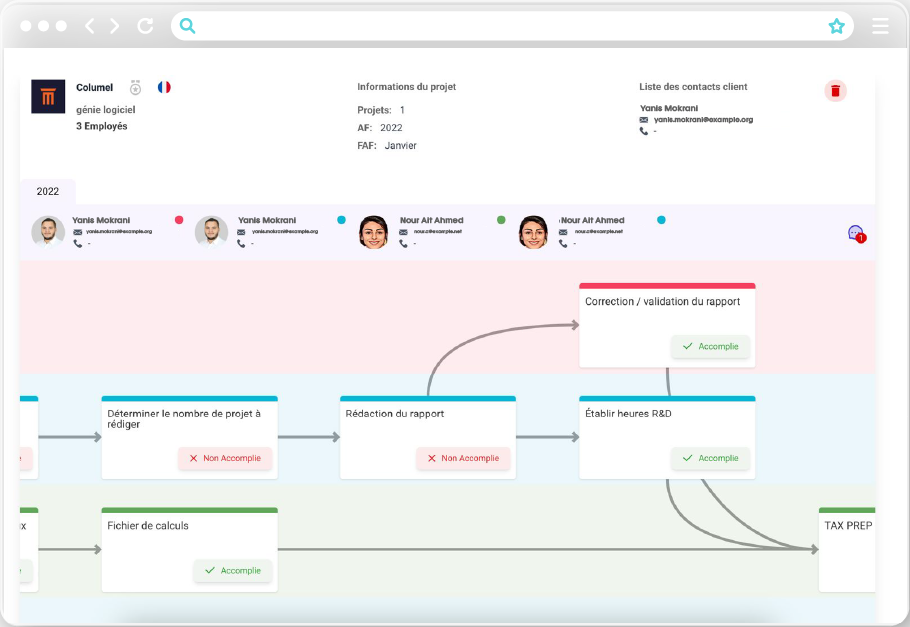
We mapped their complex fiscal workflows, role-based validations, and invoicing triggers into the system. Now, when a project is created:
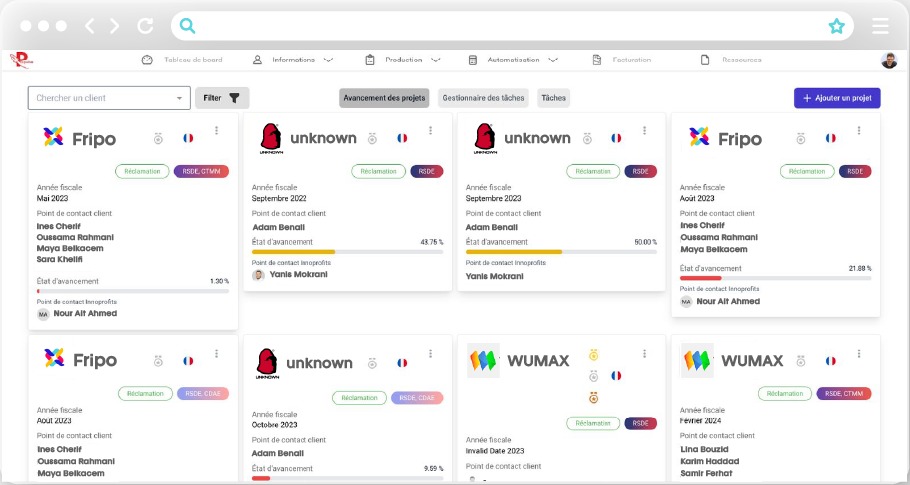
Onboarding is no longer a siloed step. It’s connected to:
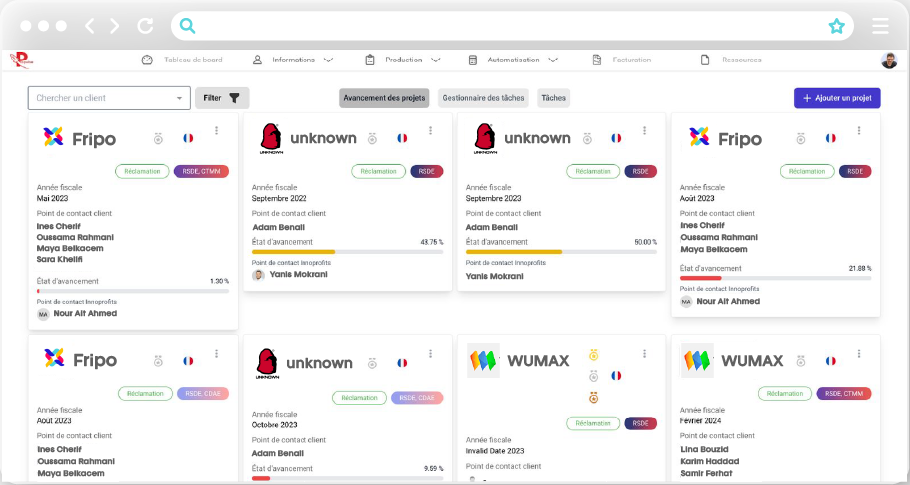
This business process automation ensures a scalable onboarding process that grows with you.
The result wasn’t just a “digital form.” It was a digital transformation in how the firm operates:
Client onboarding shifted from a risk point to a repeatable, guided process, aligned with real business needs and fully traceable.
The most expensive bug isn’t in your code, it’s in your process. And the fix isn’t just more software. It’s a workflow automation platform that reflects how you really work.
By turning implicit knowledge into explicit, automated workflows, you don’t just prevent mistakes, you build a foundation that scales with confidence.
If your client onboarding still depends on manual setup, spreadsheets, and tribal knowledge, it’s not just slowing you down.
It’s holding your entire operation hostage.

ludonairalogin
added comment 5 days ago
Logging in is always a breeze and the interface feels so welcoming. I appreciate how they handle my account securely while keeping the promotions fresh. Definitely worth checking out if you want a stress free experience. ludonairalogin
npultra88
added comment 1 weeks ago
Top notch security and very fair odds. I feel safe playing here and the variety of games keeps me entertained for hours. npultra88
pebet4casino
added comment 1 months ago
The graphics are top notch and the gameplay is seamless. I had a great run last night. pebet4casino is definitely a keeper.
rs786
added comment 6 months ago
Anyone checked out rs786 recently? I did a little digging and it seemed pretty standard. Not bad for a casual punt. Give a view and decide for your self rs786.
rs786
added comment 6 months ago
Anyone checked out rs786 recently? I did a little digging and it seemed pretty standard. Not bad for a casual punt. Give a view and decide for your self rs786.
